Navigating the trip of taking care of someone with a stoma can be as challenging as it is satisfying. With the best expertise and tools, carers can substantially improve the lifestyle for their loved ones or clients. This short article aims to offer detailed guidance on taking care of stoma care efficiently, using crucial tips and understandings tailored for caretakers.
What is a Stoma? Understanding the Basics
A stoma is a surgically produced opening in the body that allows waste to leave when normal bodily functions are disrupted. This can occur as a result of various clinical problems, including cancer, inflammatory digestive tract disease, or terrible injury. The stoma connects the digestion system or urinary system to the outside world, facilitating waste elimination.
Types of Ostomies
Colostomy: An opening from the colon. Ileostomy: An opening from the ileum (part of the little intestine). Urostomy: An opening from the urinary system.Each kind needs certain care protocols, making stoma care training for carers essential.
The Importance of Stoma Care Training for Carers
hereStoma care training outfits carers with essential abilities and expertise to provide optimal like individuals with ostomies. This training not only boosts caretakers' self-confidence yet additionally ensures they can handle complex bowel care effectively.
Why Buy Complex Bowel Care Training?
- Enhanced Knowledge: Understand different types of stomas and their specific needs. Improved Treatment Techniques: Discover ideal practices in stoma management. Support Networks: Connect with other carers and professionals.
Investing in programs like the NDIS complex bowel care training can considerably benefit both caretakers and those they assist.
Navigating Stoma Changes: Crucial Tips for Carers
When taking care of a private with a stoma, it's important to browse changes effectively. Here are some necessary ideas that every carer should take into consideration:
1. Keep Open Communication
Open dialogue in between you and your client or enjoyed one causes far better understanding and support. Normal check-ins enable you to recognize any kind of issues early on.
How Can I Encourage Communication?
Encourage concerns regarding their experience with their stoma. Produce a risk-free area where they feel comfy going over any pain or issues they might face.
2. Understand Ostomy Care Supplies
Familiarize on your own with different ostomy products offered on the market, consisting of bags, adhesives, and skin barriers tailored for various types of stomas.
What Prevail Ostomy Products?
- Pouching systems Adhesive removers Skin obstacle creams
Having a substantial understanding will aid you pick suitable products throughout your caregiving journey.
3. Normal Skin Care Routine
Proper skin treatment around the stoma is crucial to prevent irritation and infections. Developing a regimen is key.
What Needs to My Routine Include?
- Cleaning the area gently Applying skin obstacle paste if needed Monitoring for indicators of irritation
Keeping an eye on skin disease will help make sure long-term health and wellness for individuals with ostomies.
4. Handle Dietary Adjustments
Diet plays a significant function in handling outcome from a stoma. Recognizing which foods might trigger gas or clogs can make life easier for both carers and patients.
How Can Diet plan Influence Stoma Care?
Certain foods might lead to increased result or odor; therefore nutritional changes may be needed based on specific tolerance levels.
5. Emotional Support Is Key
Caring for someone post-surgery can be psychologically exhausting for both events entailed. Supplying emotional assistance aids relieve anxiousness related to lifestyle changes.
How Can I Provide Psychological Support?
Listening proactively and confirming feelings can make a significant difference in how people manage their new reality post-stoma surgery.
Training Opportunities Available for Carers
There are many programs offered created particularly for improving skills associated with bowel care management:
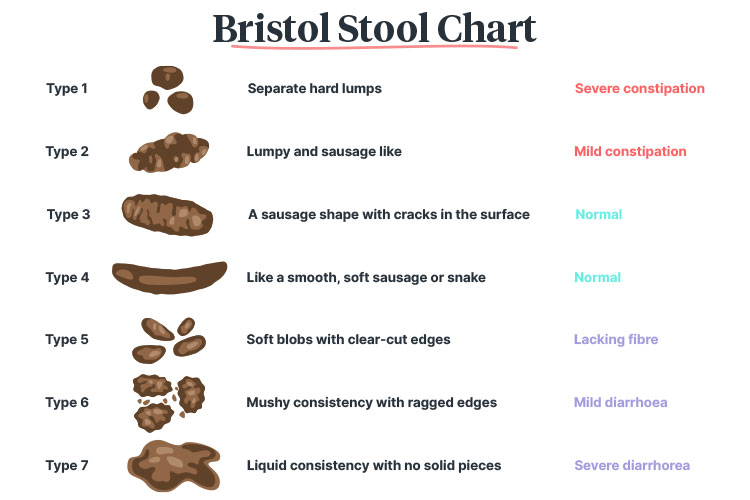
Complex Digestive tract Care Course Overview
These courses cover numerous topics such as managing emergencies, identifying difficulties, and establishing individualized care strategies based on patient background-- basically developing a solid foundation whereupon effective caregiving can be built.
Stoma Care Educating Programs
Programs concentrating particularly on ostomy monitoring will certainly delve deeper into methods tailored towards keeping healthy stomal websites while guaranteeing comfort during daily activities.
Practical Tips for Managing Day-to-day Challenges
Every day presents brand-new obstacles when looking after someone with a stoma. Here are practical approaches that might assist:
1. Organize Supplies Efficiently
Maintain an organized supply terminal where all needed items are quickly obtainable during transforming routines.
What Items Ought to Be Included?
- Spare pouches Adhesive strips Cleaning wipes
An efficient configuration saves time and reduces stress throughout bag changes!
2. Show Self-Care Techniques
Empower your client by showing them how to manage their very own ostomy if they are able; this promotes self-reliance and self-confidence over time.
What Self-Care Techniques Ought to Be Taught?
Start by demonstrating pouching strategies before allowing them hands-on method under guidance until they feel comfortable doing it themselves!
FAQ Section
1. What is an ostomy?
An ostomy is a surgical procedure that develops an opening (stoma) enabling waste or pee to leave when typical bodily functions can not happen due to clinical issues like cancer or inflammatory bowel diseases.
2. Exactly how usually should I transform an ostomy bag?
Typically, ostomy bags require transforming every 3-- 7 days depending on private scenarios; nonetheless, always seek advice from healthcare providers regarding certain suggestions customized towards everyone's needs!

3. Can diet plan affect my stoma?
Yes! Certain foods may result in gas build-up or obstructions influencing overall comfort levels; for that reason reliable dietary monitoring contributes significantly towards boosted lifestyle post-surgery!
4. What indications indicate complications?
Signs might consist of inflammation around stomas (showing potential infection), too much leak from bags indicating bad seal adherence/fit etc-- prompt interest ought to be looked for if observed!
5. Exist support networks available?
Absolutely! Many organizations offer sources attaching people dealing with ostomies & & caretakers alike offering guidance/emotional assistance through shared experiences promoting community bonds!
6. Where can I locate digestive tract care courses?
Look right into local wellness organizations offering specialized training chances covering everything from basic concepts up via progressed methods focused entirely upon complicated situations including nuanced needs surrounding digestive tract monitoring scenarios!
Conclusion
Caring for someone navigating life modifications as a result of having actually undertaken surgery resulting in development of a synthetic leave point requires patience combined together with notified understanding obtained using specialized academic initiatives such as those provided through NDIS complex bowel care training opportunities along side other appropriate coursework alternatives offered today! By carrying out these strategies talked about throughout this write-up while remaining conscientious towards holistic health encompassing emotional elements too-- carers will certainly discover themselves much better geared up at effectively offering caring assistance allowing smoother transitions experienced by those delegated within their qualified hands!
In recap, browsing these waters requires time but being positive translates directly into favorable end results-- both literally & & psychologically-- for everybody involved!